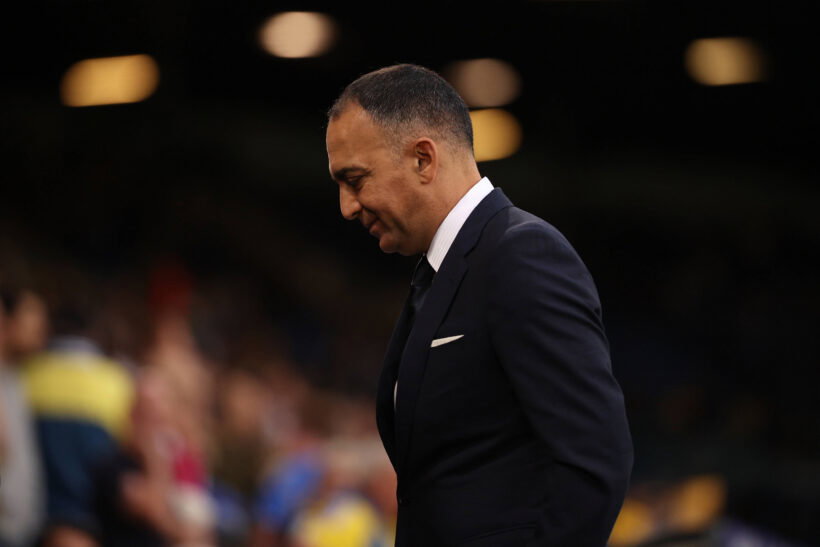
Leeds United chairman Paraag Marathe has been given a clear reminder of what matters most to supporters: any plans that could change the matchday experience at Elland Road will face intense scrutiny.
The American was speaking at a Leaders Week conference at Stamford Bridge when he discussed the possibility of introducing airline-style ticket pricing in football. The idea quickly caught the attention of Leeds supporters, many of whom took to X to make their opposition clear.
What may have been intended as a discussion about the future of football business instead opened a difficult conversation about affordability, loyalty, and the relationship between a club and the people who fill its stadium every week.
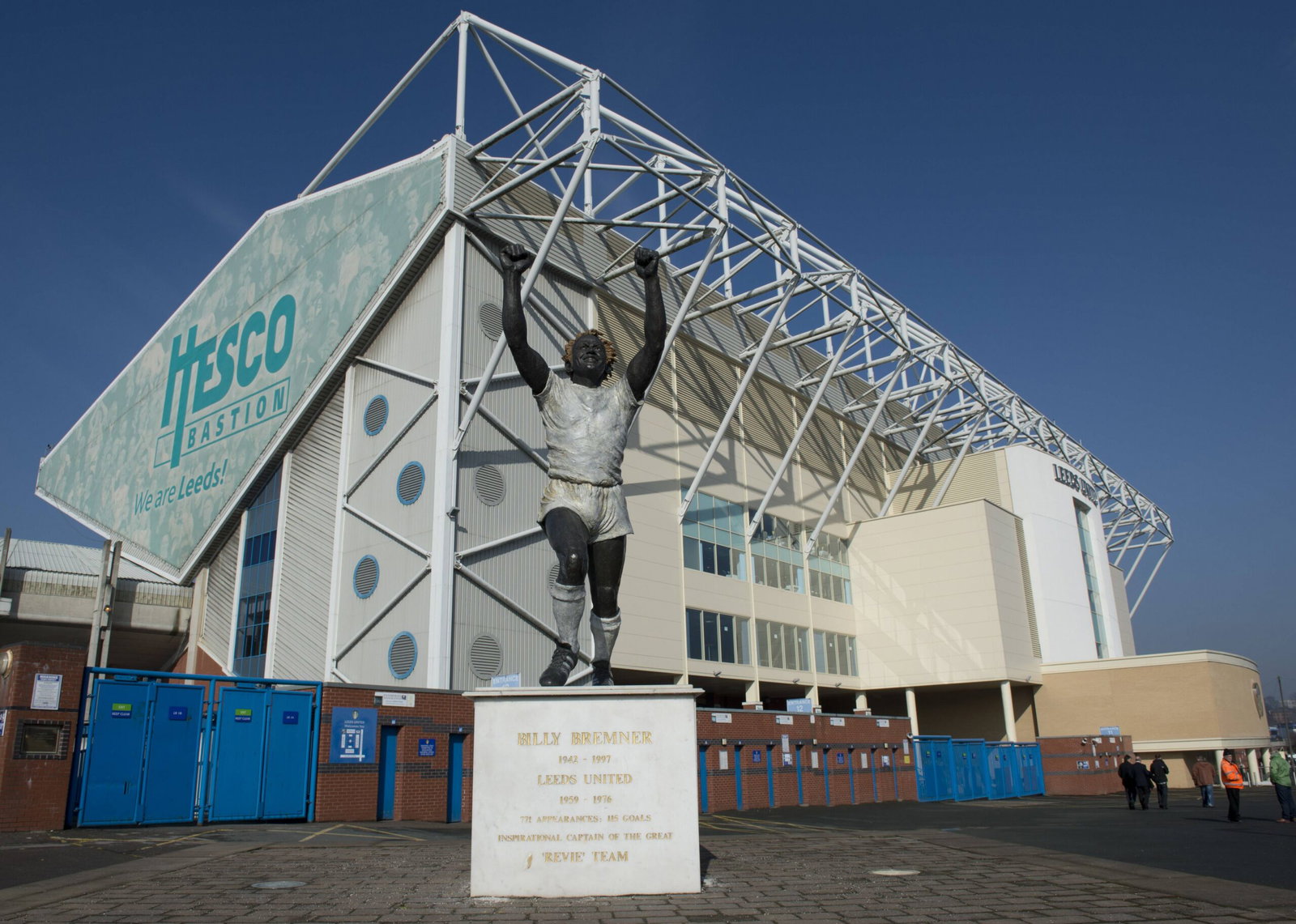
For Leeds fans, changing how match tickets are priced is particularly sensitive. Elland Road is more than a venue for 90 minutes of football. It is a place where generations of supporters have built their relationship with the club, and where following Leeds has often meant sticking around through the difficult moments as well as celebrating the good ones.
That is why Marathe’s comments struck such a nerve. Supporters quickly questioned whether an approach borrowed from the airline industry would put further pressure on people who already face considerable costs to watch their team.
The reaction has now prompted an important clarification about what the club actually intends to do.
Leeds fans make their feelings clear over ticket pricing
Dynamic pricing is already familiar to anyone who has booked a flight. Ticket prices can change with demand, availability, and the timing of a purchase. In theory, a similar approach in football could let clubs charge different prices for comparable seats depending on how popular a fixture is.
For clubs looking to maximise revenue, the attraction is obvious. A high-profile match with strong demand could generate more income, and technology could help clubs adjust prices more efficiently.
But football is not quite like booking a flight.
Supporters do not necessarily see attending a match as a one-off purchase. Many follow their club throughout the season, budget around home fixtures and make considerable sacrifices to maintain that commitment. The idea that attendance costs could fluctuate with demand therefore raises questions that go beyond simple commercial calculations.
Leeds supporters made those concerns clear after Marathe’s appearance at Stamford Bridge. Their reaction on X showed how quickly a discussion about potential business models can become a contentious issue when it touches on the relationship between a club and its fanbase.
It also raises a wider question about the direction of modern football. Clubs are under pressure to grow commercially, but supporters do not want that ambition to come at the expense of the matchgoing experience or the accessibility of attending games.
For Leeds, the response is a reminder that even ideas presented as possibilities can have consequences when supporters believe their interests may be affected.
49ers clarify their position after supporter backlash
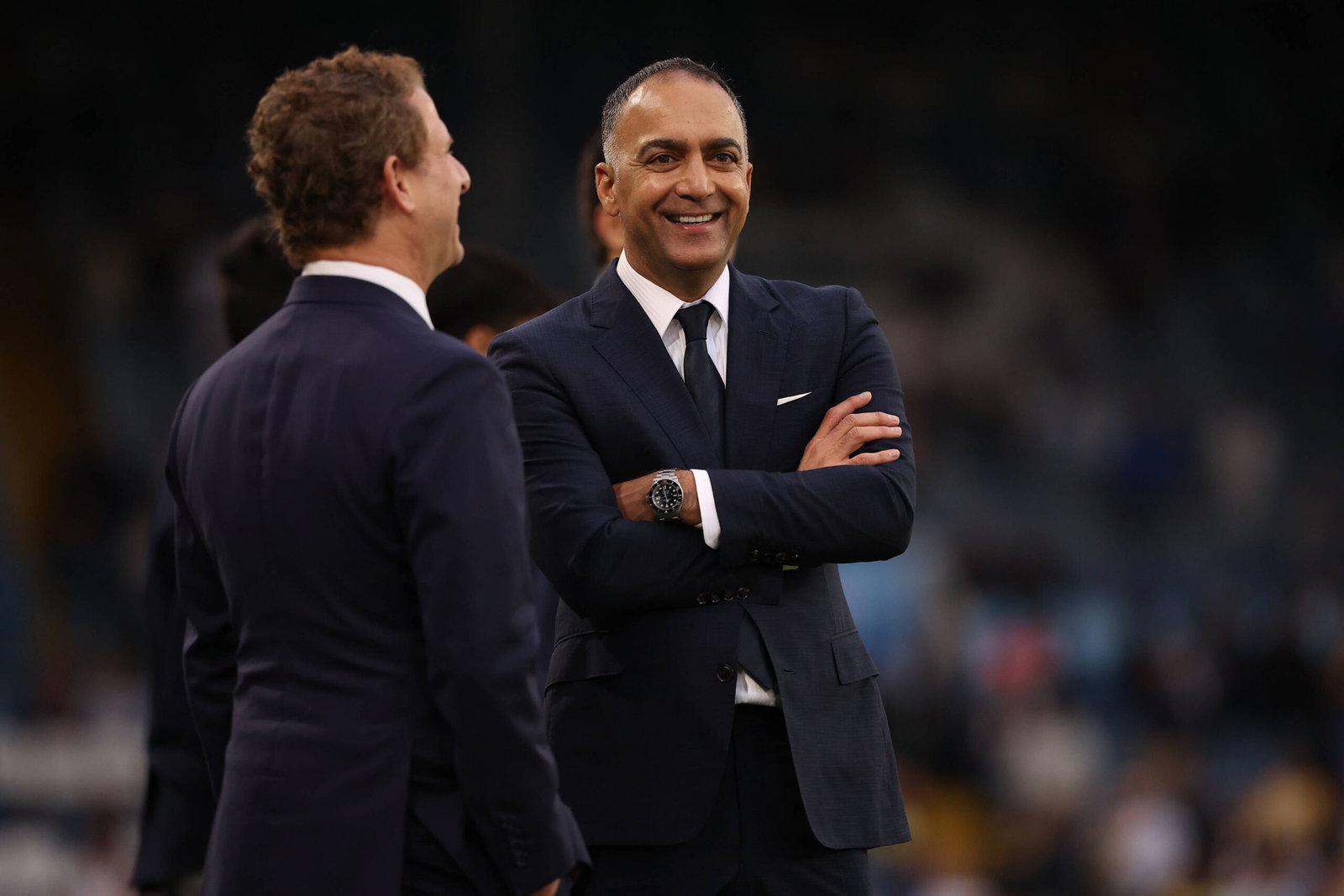
According to reports, club sources have since clarified their position, with an important distinction emerging between what Marathe discussed and what Leeds is actually planning.
The 49ers have no current plans to introduce dynamic pricing or an AI-based ticketing structure at Elland Road. Marathe’s remarks were not intended to represent a concrete blueprint for the club’s future.
That is a significant distinction. Exploring an idea at an industry conference does not mean a club has decided to implement it, and supporters should not interpret the chairman’s comments as confirmation that a new ticketing system is on its way.
For now, no change is planned that would prompt the backlash.
Nevertheless, the episode offers a useful lesson for the Leeds hierarchy. Supporters will inevitably ask how the club intends to grow, particularly when proposals touch on something as important as access to matches.
Marathe and the 49ers have ambitions for Leeds, both on and off the pitch. Commercial growth will be part of that process, but this episode shows why how those ambitions are communicated matters as much as the ambitions themselves.
The club has moved to clarify its immediate position, but the underlying issue is unlikely to disappear entirely. As football continues to explore new ways of generating revenue, supporters will want reassurance that they are not simply being treated as another source of income.
At Elland Road, fans’ message has been unmistakable: commercial innovation is one thing, but supporters do not want to feel priced out of following their club.