
Pavel Sulc was one of those names that kept appearing around Leeds United during the summer transfer window.
A move never happened, but that does not necessarily mean the story is finished.
With January approaching, it is worth asking whether Leeds should revisit their interest in the Czech midfielder or simply move on.
There is a case for both.
Read More: Pavel Sulc has already given Leeds United transfer verdict
The case for signing Sulc

The most obvious argument is creativity.
Leeds have plenty of midfielders who can run, compete and keep the ball moving, but Sulc offers something slightly different. He is comfortable playing further forward and can arrive in dangerous areas rather than simply operating in front of the defence.
That could give Daniel Farke another attacking option.
Harry Wilson was signed to provide creativity, but Leeds cannot afford to become overly dependent on one player for invention. He hasn’t made a great start at Elland Road, and Wilson’s recent injury reminded everyone how quickly the options can change.
Sulc could offer another route to goal.
He is also versatile enough to play several attacking midfield roles, which would make him useful in a squad where Farke likes players who can adapt to different systems.
Then there is the age factor.
Sulc is still young enough to improve, but he is not an untested teenager being asked to make the jump straight into Premier League football. He has already built up significant senior experience and established himself as an important player for Czech football.
That combination is attractive. Leeds would be buying somebody who could contribute now while still having plenty of room to develop.
And, importantly, this is not a player the club suddenly discovered in December.
Leeds were interested before.
If the recruitment team still believe Sulc fits what they are trying to build, there is something to be said for returning to a player they have already done extensive work on rather than starting from scratch.
The case against signing Sulc
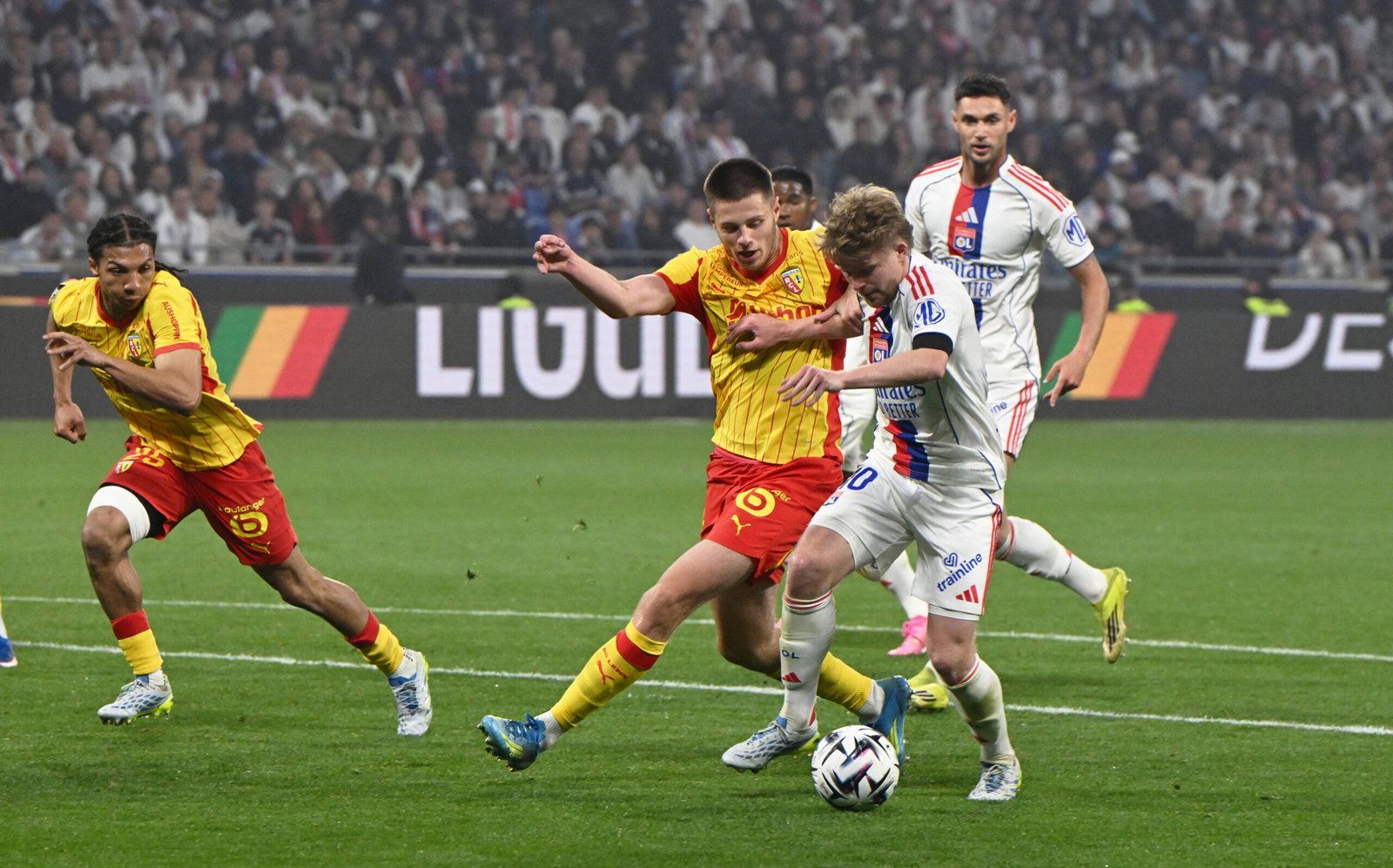
The biggest argument against the deal is simple: does Leeds actually need him? This squad is very different from the one that entered the summer.
Wilson is now at the club. Aaronson has signed a new contract. Several midfielders can also play further forward, depending on how Farke sets up his team.
Adding another attacking midfielder could therefore create a problem rather than solve one.
Another question is where Sulc would actually play.
If Wilson is fit, he is likely to be one of Farke’s preferred creative options. If Aaronson is playing well, he will also expect regular minutes.
Leeds have other attacking players competing for places, too.
Spending significant money on another player for a position that is already reasonably well stocked would be difficult to justify unless Sulc is viewed as a clear upgrade.
The timing of the transfer could also work against Leeds. A January deal is rarely straightforward. Selling clubs know buyers are often under pressure and can demand more money as a result.
Leeds would therefore need to decide whether Šulc is worth paying a premium for midway through the season.
There is another consideration. The club have spent considerable money strengthening the squad over the summer. If a weakness emerges, Farke may have more pressing requirements elsewhere.
A centre-back, for example, could become a bigger priority depending on injuries and the demands of playing with three central defenders.
Leeds should not sign Sulc simply because they liked him six months earlier.
So, should Leeds go back for him?
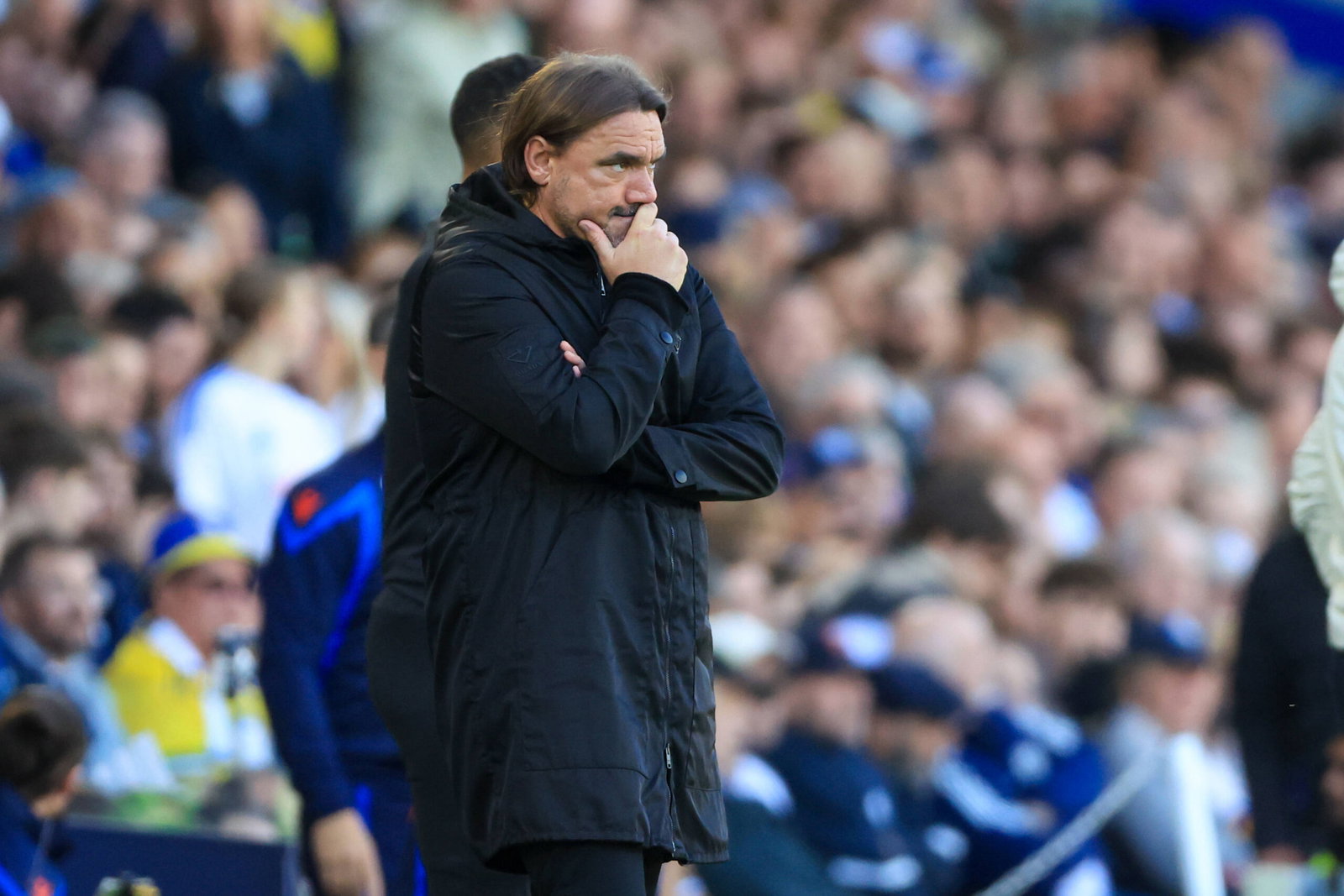
There is no obvious need to force the issue.
If Wilson stays fit, Aaronson continues to contribute, and Leeds are getting enough from their existing attacking options, Sulc may be an unnecessary luxury.
But if creativity becomes a problem, the situation changes.
Leeds know the player. They have already explored the possibility of signing him. And his ability to play in advanced midfield areas would give Farke another way of changing games.
That makes him a player worth monitoring rather than a player Leeds absolutely need to sign.
The January window should be about solving genuine problems. If Leeds struggle to create chances against deep defensive blocks, or if injuries reduce their attacking options, Šulc could suddenly make a lot more sense.
If that doesn’t happen, there is no reason to spend heavily just to finish unfinished summer business.
The interest may have been real in the summer. Whether it is still the right move in January will depend on what Leeds’ squad looks like by then.
And that is probably the biggest question of all: would Sulc improve the team, or would he simply give Farke another player to fit into a group that is already quite well stocked?